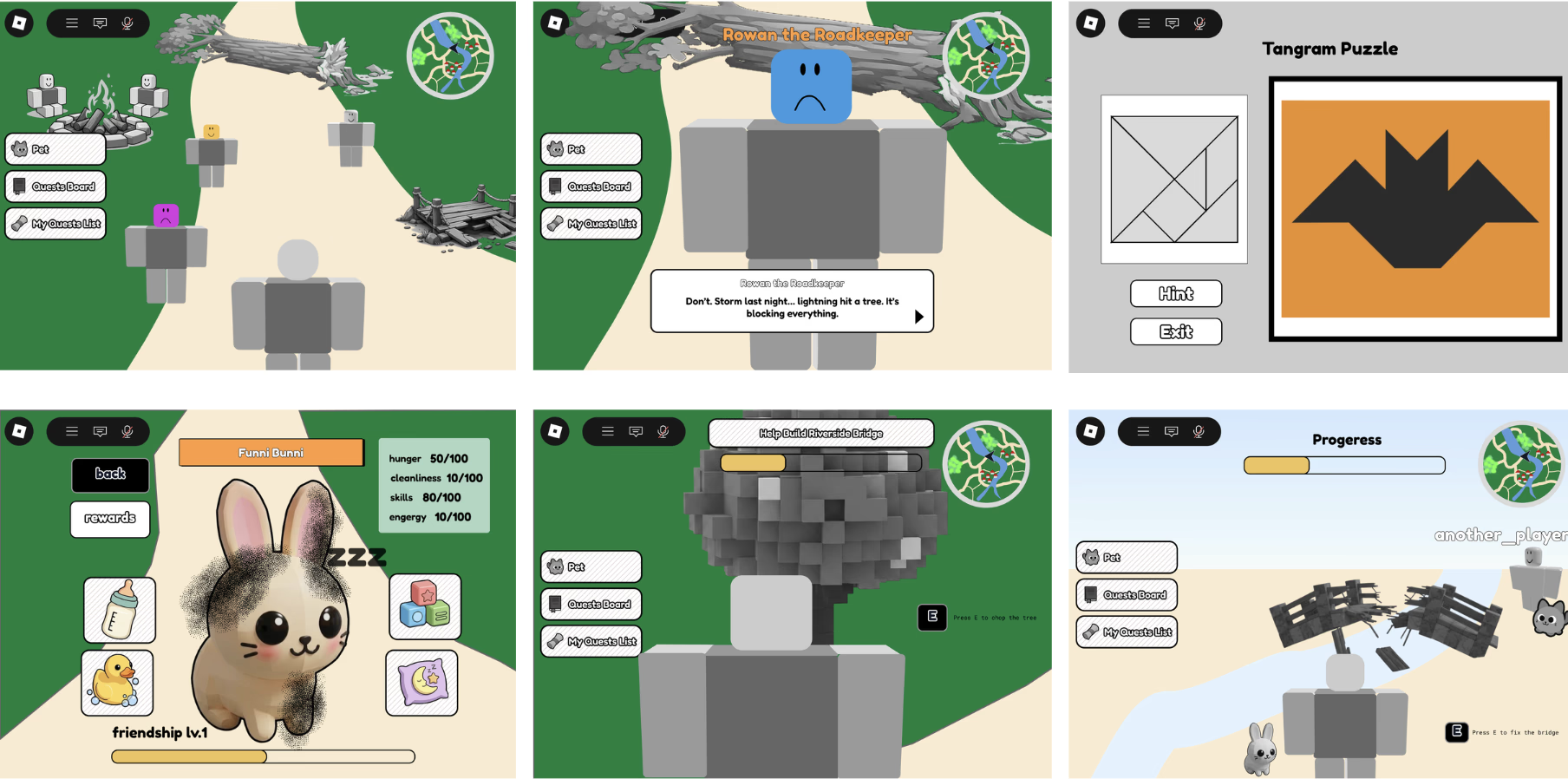
The final concept in Figma, giving a rough visual example of what the game will be like in Roblox.
Exploring how Canada's leading youth mental health service could show up through Roblox.
The final concept in Figma, giving a rough visual example of what the game will be like in Roblox.
Kid's Help Phone is Canada's leading 24/7 mental health support service for young people. KHP prov ides free and confidential, across phone, text, and online platforms, for youth aged 6 to 29 nationwide.
For my Master of Information capstone at the University of Toronto, our team of four acted as UX consultants to KHP: the brief was a goal, not a product. Our job was to define what role a gaming platform could realistically and responsiblyplay in their mission.
There was no fixed product or execution path. KHP wanted to understand whether they should, and how to show up in spaces like Roblox. That open brief meant our first deliverable was a clear definition of the opportunity itself, grounded in evidence.
We grounded the work in secondary research on the evidence linking mental health and video games through peer reviewed research, then ran primary research through user interviews with the three groups closest to the problem:
What youth actually reach out about, and how emotional support unfolds in real conversations.
Platform norms, technical realities, and the engagement mechanics built into every experience.
What keeps people on the platform — its social pull, its culture, and its risks.
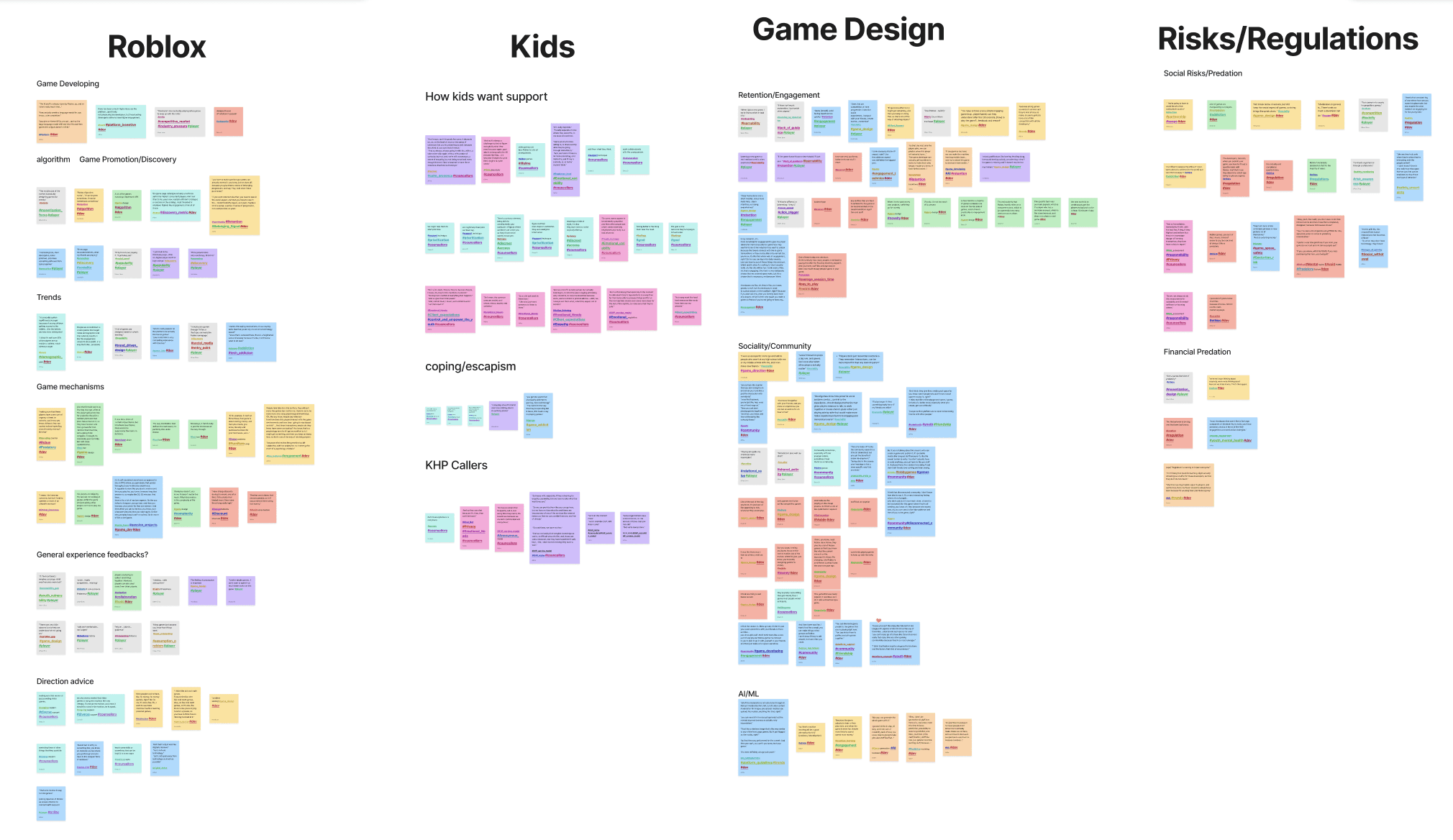
Interview findings, synthesized into four categories through affinity mapping in FigJam.
Roblox is more than a game. It acts a digital third space, and connection is a central emotional driver.
The same engagement model that makes Roblox compelling can work against wellbeing.
From counselor interviews: support has to be available right when distress hits.
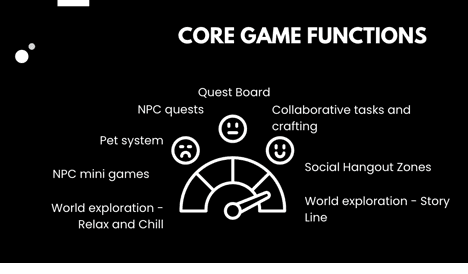
These three insights became our design principles while every function in the prototype traces back to them.
Nothing in the experience was added because it looked fun. Each feature earns its place by serving an emotional need we heard in research, focusing on connection without pressure, calm without isolation, help without stigma.
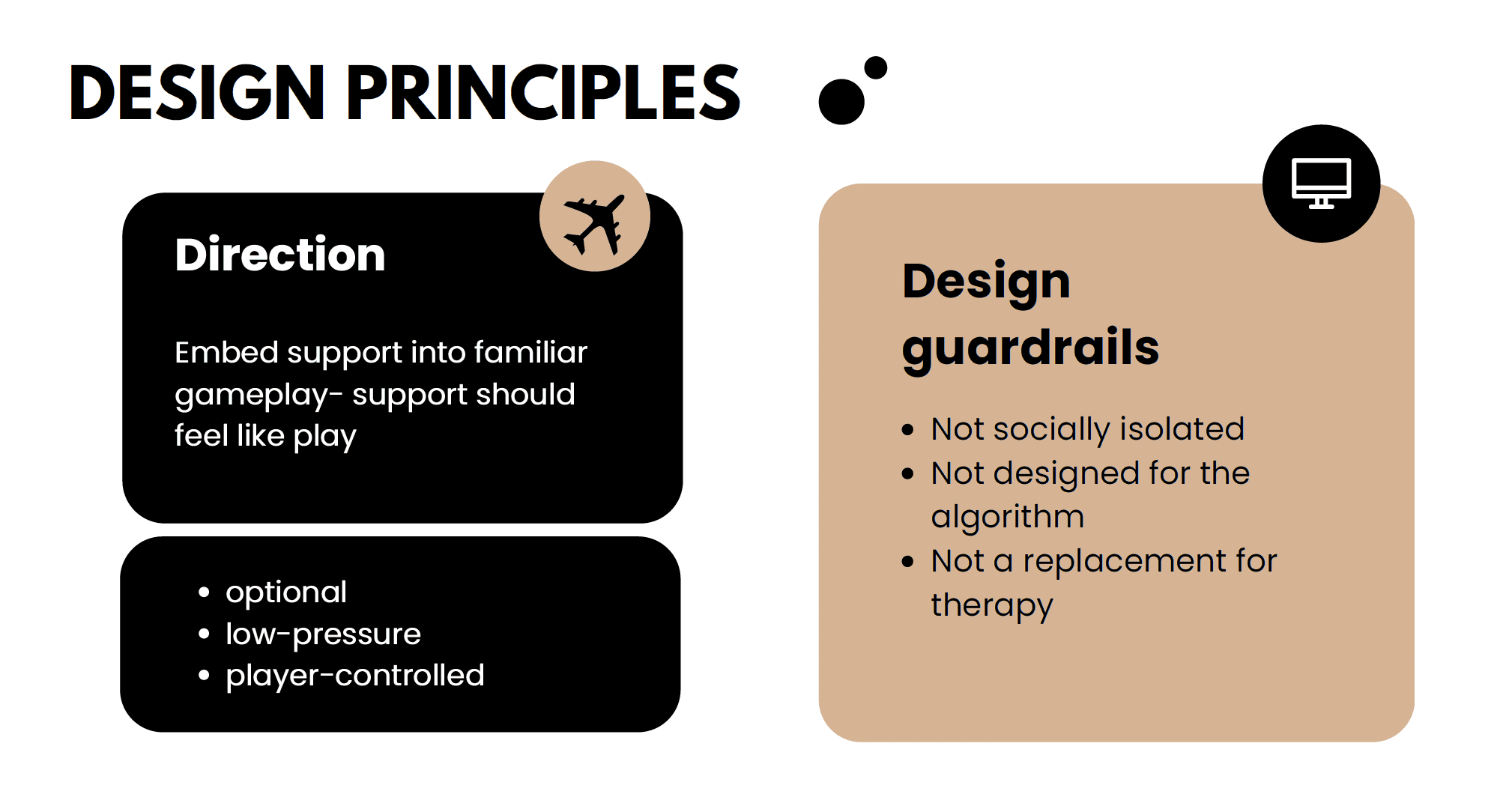
Design principles, built directly on the research insights
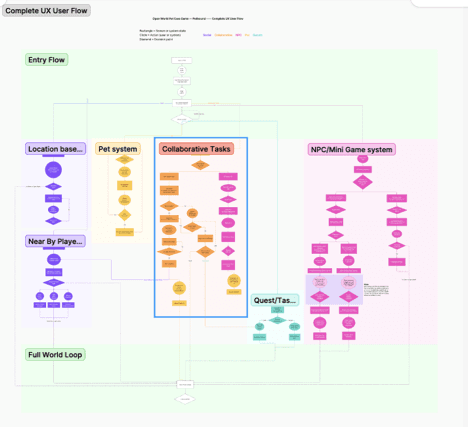
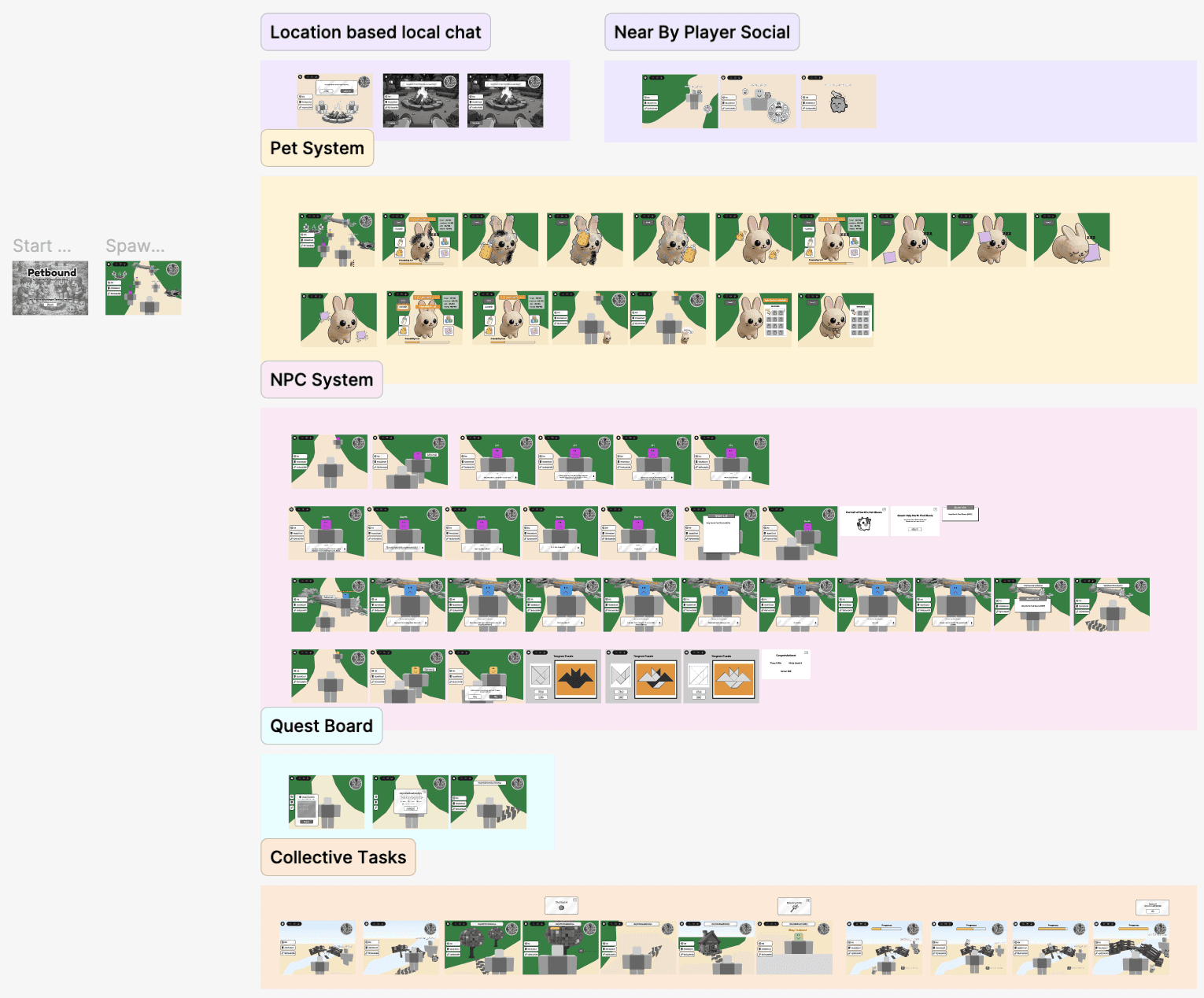
The full interactive prototype built in Figma. Click through the experience the way a young player would encounter it.
This project lays the groundwork for a meaningful intervention. Three steps remain before it can responsibly reach real youth:
Direct engagement with youth was outside our project's scope, so this comes first: a phased approach of user interviews to pressure-test assumptions, usability testing of prototypes, and eventual playtesting once a functional build exists. Youth insights should shape every subsequent design decision.
Before development begins: moderation requirements, integration with existing services and clinical teams, and budget considerations tied to developer partnerships.
Because this platform works against the pull of recommendation algorithms, success depends on trusted channels classrooms, therapists, and community outreach programs.